Chinese
Chromatograhy Vials
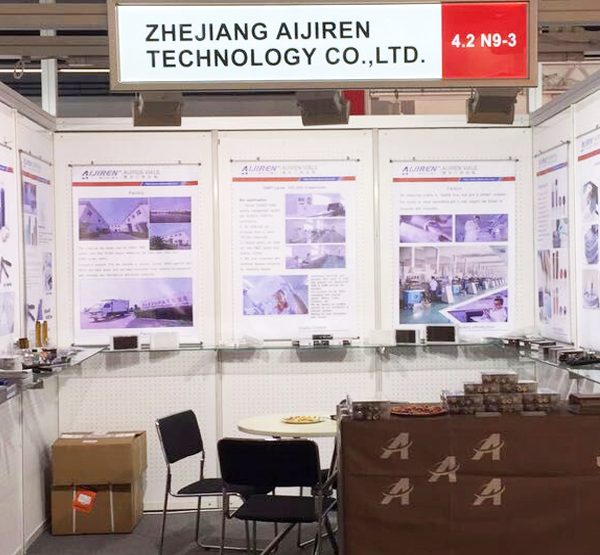
We have our own factory which covers about 13,000 square meters,and we have the professional engineer and specific workers.
ABOUT Aijiren
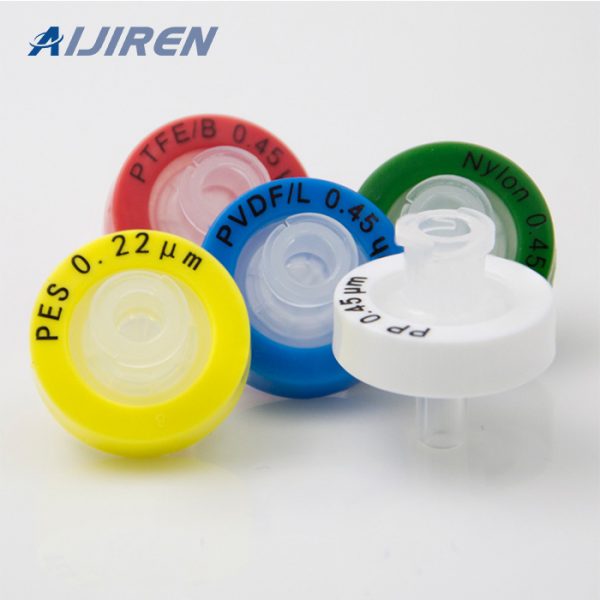
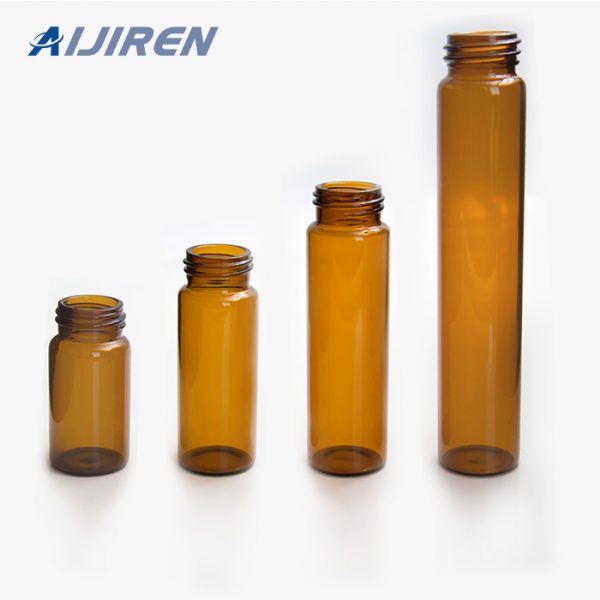
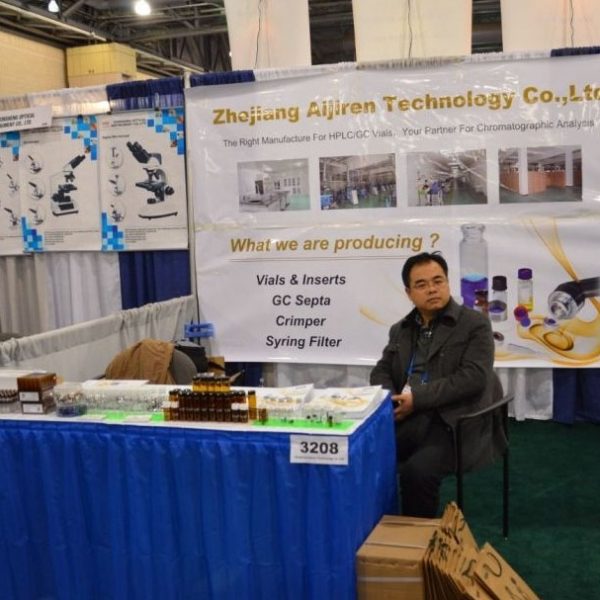
Zhejiang Aijiren Technology, Inc. is a global supplier of life-science, chemistry, laboratory consumables, etc. Our major products are high performance liquid chromatography & gas chromatography consumables such as Chromatography Autosampler Vials with closures, inserts, crimper and syringe filters, etc; Water analysis consumables such as COD test tube. Zhejiang Aijiren Technology,Inc. have been supplying to more than 70 countries, covers more than 2000 customers all over the world. 120 workers, 100,000 class cleaning room, ISO, GMP & Bureau Veritas certificated, this is how we keep high quality and competitive prices for global valued customers.
Learn more
CASE
Over 15 years, we have earned an excellent reputation and public praise all over the world.
18
Oct
Why vials fail more often than the instrument does
I still remember the Monday morning when a client called because their EPA 8270 semivolatile run had failed QC three times in a row. The instrument was fine. The column was three weeks old. The problem turned out to be a batch of 2 mL vials with crimp seals that had been crimped too hard, splitting the PTFE-faced silicone septa and letting the autosampler needle core a plug of silicone straight into the injection port. That single failure cost them two days of instrument time and a re-extra...
MORE
18
Oct
Start with the autosampler, not the vial catalog
I have watched a lab lose three weeks of data because somebody bought 9 mm screw-thread vials to run on an autosampler set up for 11 mm crimp caps. The vials fit the tray. They did not fit the gripper. The runs aborted at injection 40 of 96, and nobody noticed the partial sequence until the batch report came back short. That is the kind of mistake this guide is meant to prevent. Vial selection looks trivial until it costs you a sequence, a column, or a regulatory finding. Below is how I spe...
MORE
27
Jul
Silanized Sample Vials Explained: Surface Chemistry and Why It Matters for Trace Analysis
.article-body{font-family:Arial,Helvetica,sans-serif;font-size:16px;line-height:1.9;color:#333;max-width:800px;margin:0 auto} .article-body h2{font-size:20px;font-weight:700;margin:32px 0 16px;color:#1a1a1a} .article-body h3{font-size:17px;font-weight:700;margin:24px 0 12px;color:#1a1a1a} .article-body p{margin:0 0 18px;font-size:16px;line-height:1.9} .article-body a{color:#1a73e8;text-decoration:underline;font-weight:500} .article-body strong{color:#1a1a1a} .article-body hr{display:none} .a...
MORE
18
Sep
Advancements in HPLC Vial Closure Systems
Autosampler Vials, Inserts, and Closures | Fisher Scientific Autosampler vials are usually made from clear or amber glass, both of which are highly inert. Amber glass helps protect more sensitive samples from exposure to UV light and radiation. Vial inserts are used to reduce the capacity of the vial to accommodate smaller samples. Typically 150 to 400µL in volume, they may be made of glass, plastic, or La-pha-pack – Vial and Closure – Phoenix Sci La-Pha-Pack founded in 1990 as ...
MORE
x